

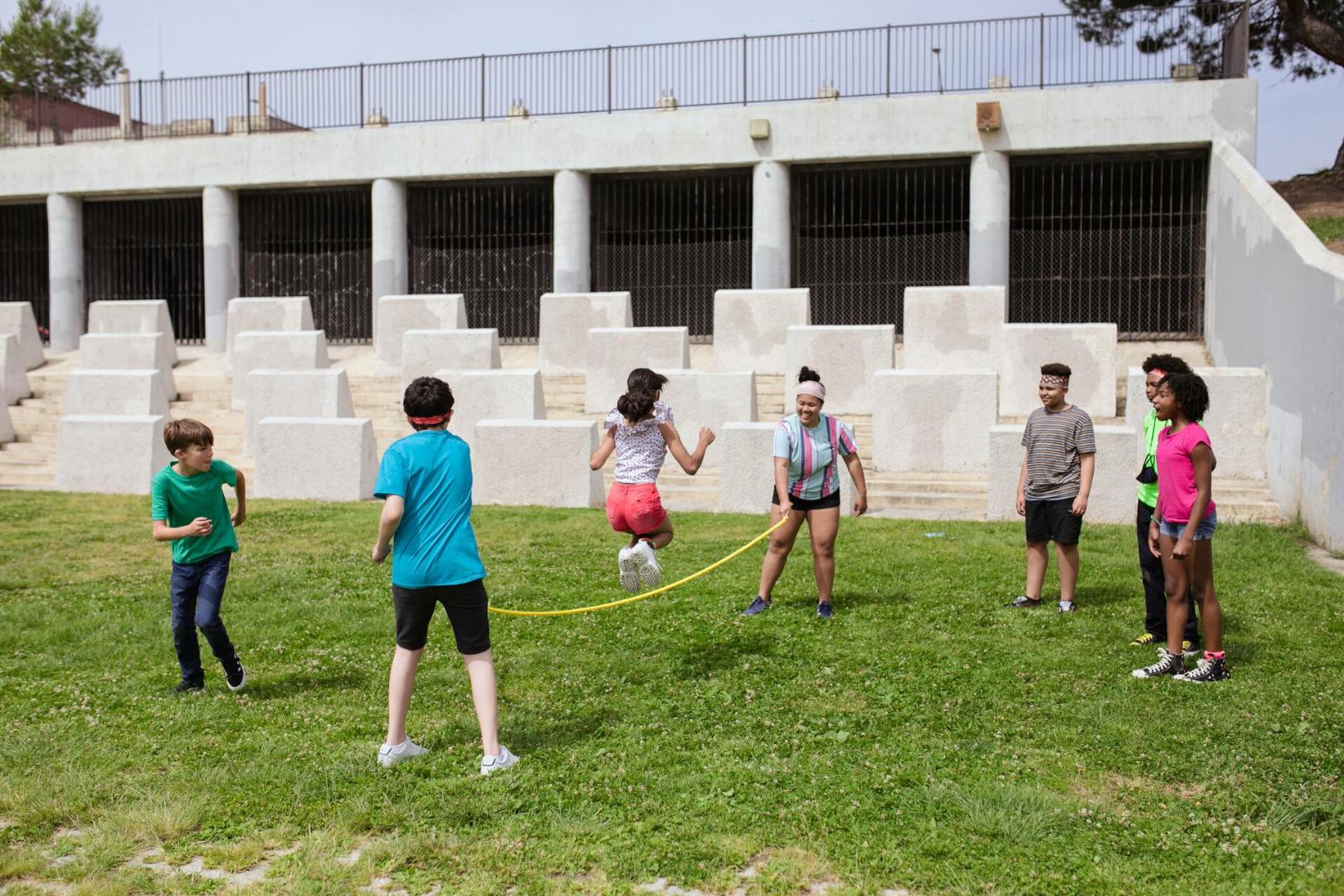
Summer camps give children unique opportunities to develop and strengthen their social skills. Camps are often set in a relaxed and friendly environment where children can explore new activities and build relationships with peers. Here are some ways summer camps can help develop social skills in children:
Improving Communication levels:-
At these camps, children are encouraged to communicate with one another, whether it be through conversations, shared experiences or team activities. This allows children to build social skills like active listening, sharing their thoughts and ideas, and asking questions to clarify their understanding.
Building Confidence:-
Summer camps also offer a range of activities that challenge children to step outside their comfort zone to try new things and develop new skills. Children gain confidence in themselves by participating in activities such as public speaking, outdoor adventures, or performing arts, which helps them improve their self-esteem and social skills.
Diversity and Inclusivity:-
These camps also provide opportunities for children to interact with children from different backgrounds with one another, building empathy, respect, and acceptance for diversity. Children learn to appreciate and embrace differences in others, helping them to develop a positive attitude towards people from all walks of life.
Conflict Resolution:-
These camps provide a safe space for children to learn how to resolve conflicts and build positive relationships. Children learn to manage their emotions, express their feelings, and find mutually beneficial solutions to problems.
Creating Friendships:-
Summer camps create an environment where children can make lasting friendships, build trust, and learn how to navigate different social situations. By spending time together in a safe, fun and supportive environment, children develop a sense of camaraderie and support they can carry with them throughout their lives.
In conclusion, summer camps are a valuable resource for building social skills in children. They provide an environment fostering teamwork, communication, confidence, empathy, and friendship, which are key social skills children can carry with them for the rest of their lives.